Add your promotional text...
The Smart Energy track explores the profound transformation of energy systems from passive networks of distribution into intelligent, adaptive infrastructures capable of sensing, learning, predicting, and responding in real time. It examines how artificial intelligence, advanced analytics, and digital technologies are reshaping the generation, transmission, distribution, and consumption of energy—unlocking new possibilities for renewable integration, grid resilience, predictive maintenance, and universal access. Beyond technological optimization, the track critically investigates the deeper socio-technical mechanisms that determine whether smart energy transitions reduce or reinforce existing inequalities, particularly between connected urban centers and underserved rural and peri-urban communities. We invite contributions that move beyond algorithmic innovation alone to uncover the conditions under which digital intelligence can enable affordable, sustainable, and resilient energy systems—advancing not only operational efficiency but also the fundamental human aspiration for equitable access to clean and reliable energy. Submissions are invited that address any or a combination of the following research questions:
Grid Stability and Energy Forecasting: How does AI-driven forecasting improve grid stability, reliability, and resilience under changing demand and supply conditions?
Renewable Integration and Energy Storage: How can intelligent energy systems enable reliable integration of renewable sources through adaptive control and storage optimization?
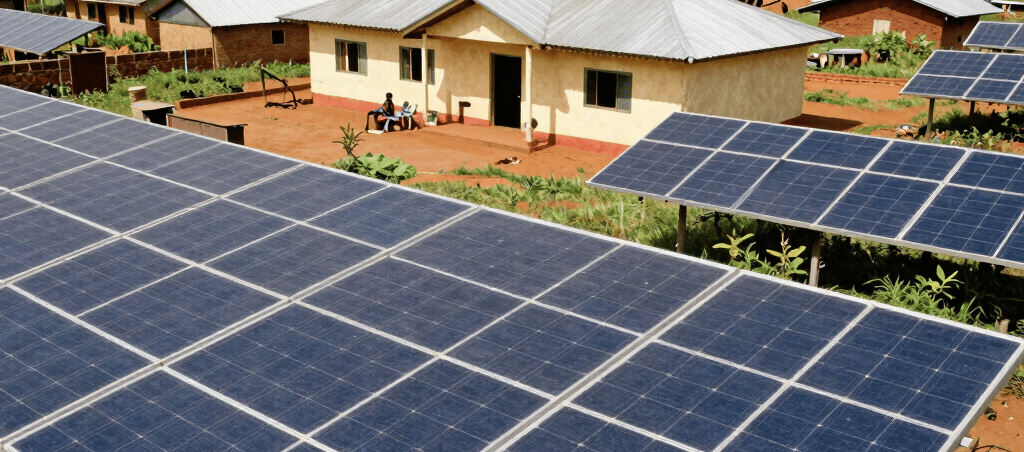
Off-grid and Mini-grid Systems: How does digital intelligence enhance the sustainability and scalability of off-grid and mini-grid energy solutions?
Smart Metering and Demand Management: How can real-time energy data transform consumption behavior while ensuring affordability and equity?
Energy Security and Revenue Protection: How does AI-based anomaly detection reduce energy losses while addressing the social and institutional causes of system inefficiency?
Predictive Maintenance and Infrastructure Resilience: How can predictive analytics improve energy infrastructure performance, maintenance, and lifecycle management?
Digital Energy Governance and Regulation: How does energy system digitalization reshape governance, regulation, and equitable access to sustainable energy?
Community Energy and Local Empowerment: How can decentralised digital energy systems enable communities to participate in ownership, management, and energy decision-making?

Important Dates:
Abstract Submission: 15th August 2026
Paper Submission: 15th September 2026 (Midnight EAT)
Peer Review Feedback: 30th September 2026
Revised Paper Submission: 30th October 2026
Early Bird Registration: 30th October 2026
Late Registration: 15th November 2026